
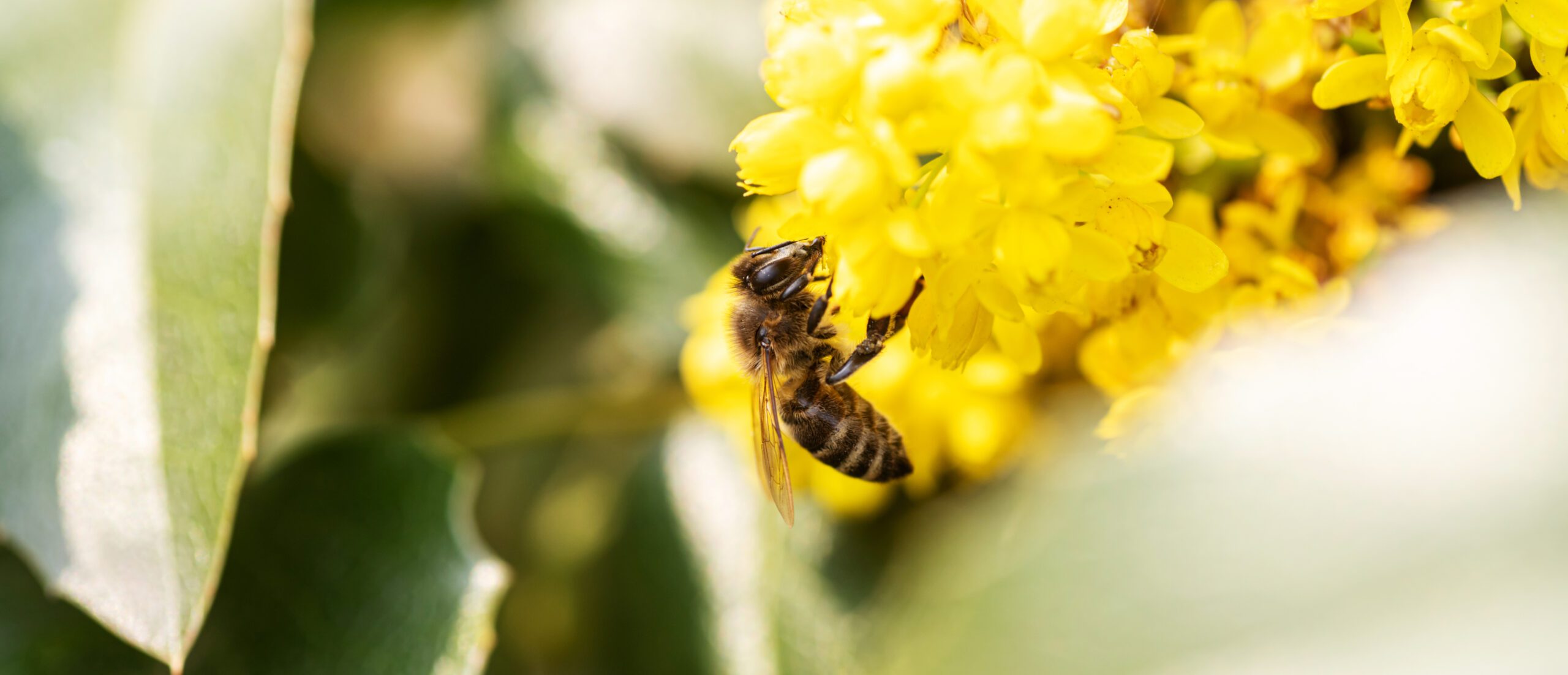
A 2023 Oregon State University study shows that recently harvested forests in the Oregon Coast Range provide important habitat for native bees, which become abundant and diverse in the sunny, open conditions created after logging. Researchers say these findings highlight how managed forests can play a key role in supporting a crucial group of pollinators.
Scientists surveyed native bees in 60 Douglas-fir stands of different ages during the spring and summer of 2018 and 2019. They found that bee numbers were highest in the years immediately after harvest, when wildflowers and other flowering plants flourish. As replanted trees grow and the canopy closes, bee abundance and diversity decline, dropping by more than half about every five years.
The results show that timber harvests create valuable windows of habitat for many of Oregon’s 600-plus native bee species, nearly a quarter of which are found in young forests. These early-stage forests offer the open sunlight and rich floral resources bees rely on, making them an important part of the region’s biodiversity.
Researchers say simple management choices can extend these benefits. Reducing herbicide use in the first years after harvest and planting more bee-friendly flowers along roads and log landings can help pollinators thrive without cutting into timber revenue. Such steps could offer a win-win for both forest productivity and wildlife conservation.
The study adds to growing efforts to understand how bees respond to human activity. Scientists say that recognizing the value of early post-harvest forests can help guide practices that support healthier ecosystems and maintain the pollinators that many plants and food webs depend on.