
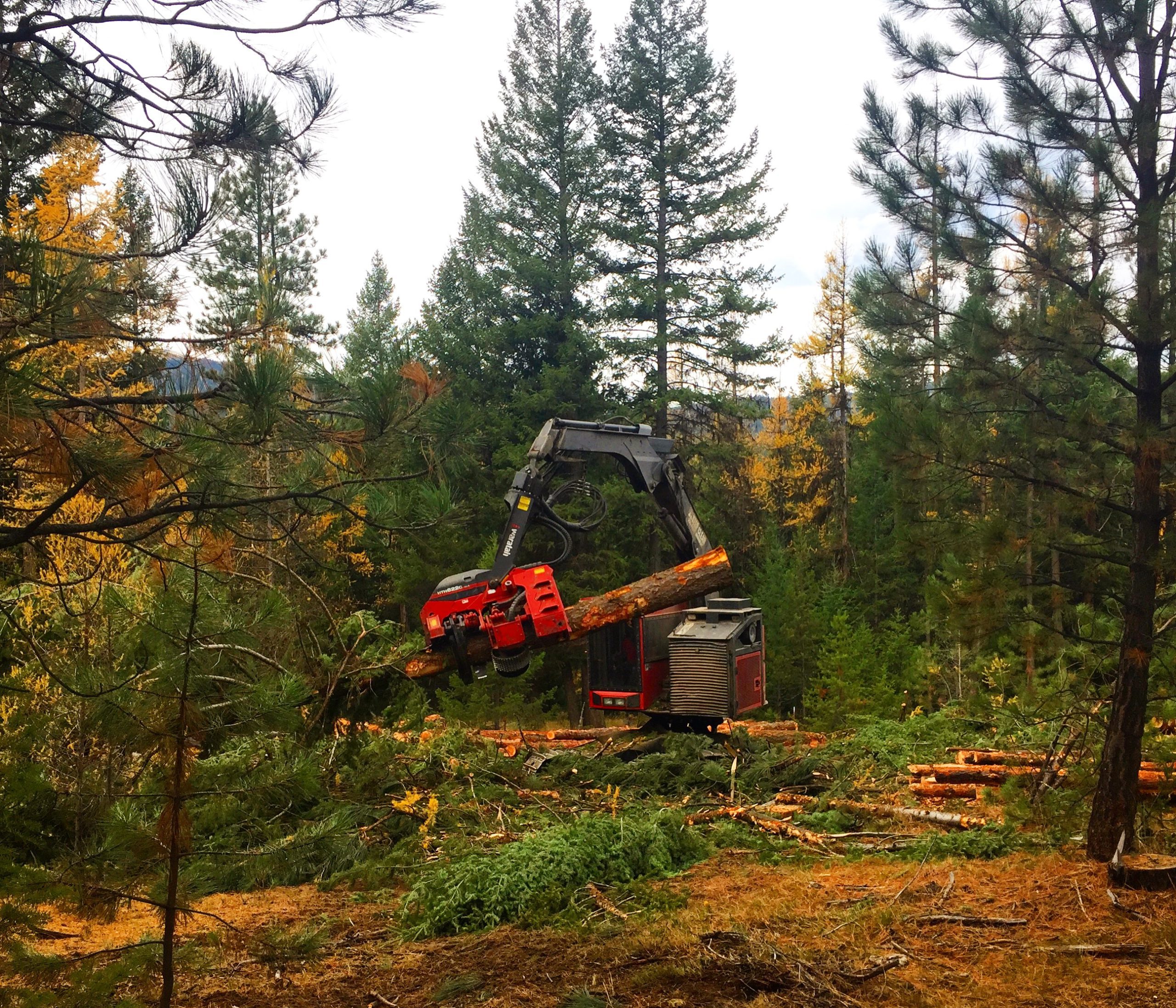
A new study finds that thinning overcrowded forests in California’s Central Sierra Nevada can make wildfires far less destructive and help forests stay healthy during extreme drought. Scientists looked at 216 forest treatments completed between 2015 and 2023 and compared them with similar areas that were left alone. They found that thinning reduced average fire severity by nearly one third and cut the amount of high-severity fire by 88 percent.
Researchers discovered that the size and placement of treatments made a big difference. Larger projects, especially those bigger than about 6 hectares, helped slow down fires and acted like fuel breaks when located near fire edges. These treated forests also stored more carbon over time, even though some trees were removed during thinning. By 2023 nearly 75 percent of treated areas held as much or more carbon than similar untreated areas.
The study showed that thinning not only reduced fire damage but also helped forests survive the record-breaking drought in 2020 and 2021. While untreated forests lost carbon during the drought, thinned forests continued to gain or maintain it. Scientists say this happened because thinning reduces competition for water and helps trees handle heat and dry conditions.
These findings challenge the idea that thinning always harms carbon storage. Instead, the results show that smartly planned treatments can protect both forest health and long-term carbon stability. Treatments that include a second step, such as removing leftover surface fuels or using prescribed fire, were even more effective.
Researchers say the results support using larger, strategically placed treatments across Western forests as climate change increases the risk of extreme fires. They argue that restoring natural forest structure can protect wildlife habitat, improve ecosystem resilience and make landscapes more resistant to both fire and drought in the decades ahead.