
Sharing Objective Research on Oregon’s Forest Practices
Our Science is Growing
Oregon is the national leader in forest practices. We were the first state in the nation to enact comprehensive forest practice laws and formalize a way to adopt the latest field-tested and peer-reviewed science into an adaptive regulatory framework. Our practices have evolved with science for more than four decades and we continue to invest in and adapt to a growing body of forestry research.
How Working Forests Impact Climate Change
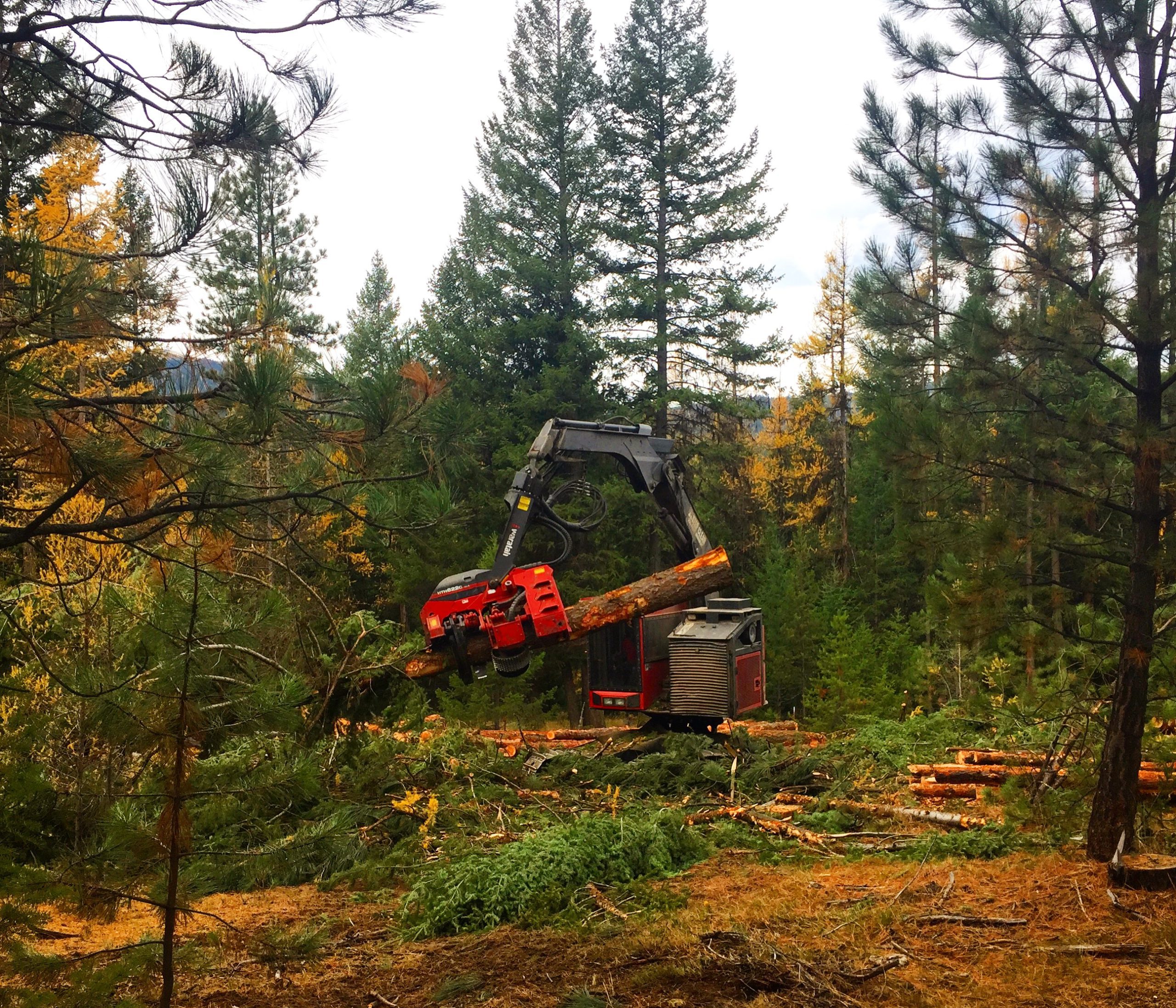
Oregon’s 30 million acres of forests act as a massive carbon sink with immense potential to help mitigate the impacts of climate change. Trees absorb carbon dioxide – one of the most prevalent greenhouse gases – out of the atmosphere where it can be stored in wood products. Sustainably harvesting and replanting our forests and choosing to build with wood instead of fossil fuel-intensive materials provides permanent climate mitigation benefits.
How Working Forests Impact Our Water
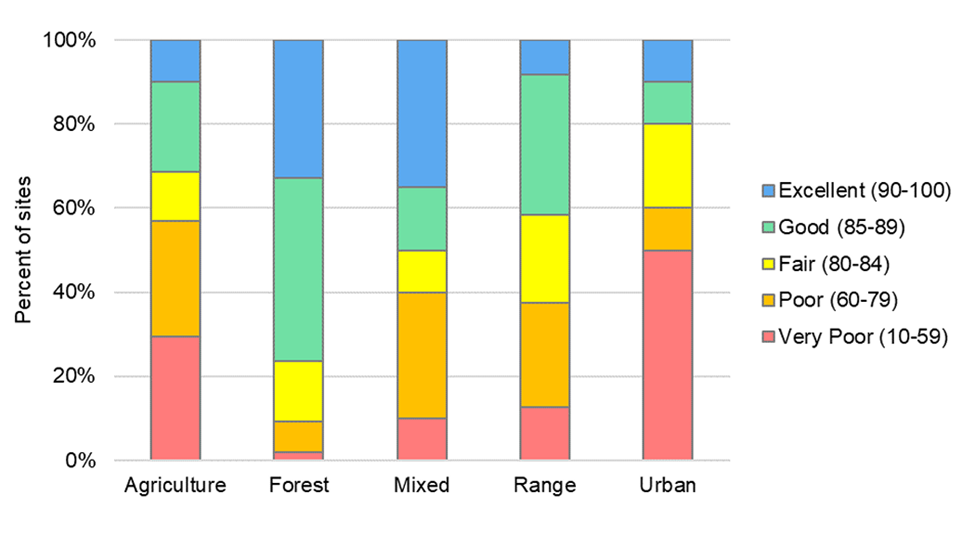
Forests provide the main source of drinking water for Oregonians and provide critical habitat for aquatic species like native fish and amphibians. Trees provide shade that keeps water cold and provide filtration for ground and surface water that feed into rivers, lakes and reservoirs. Research has demonstrated that contemporary forest practices in Oregon provide cold, clean water for aquatic life and drinking water.

How Working Forests Impact Wildfires
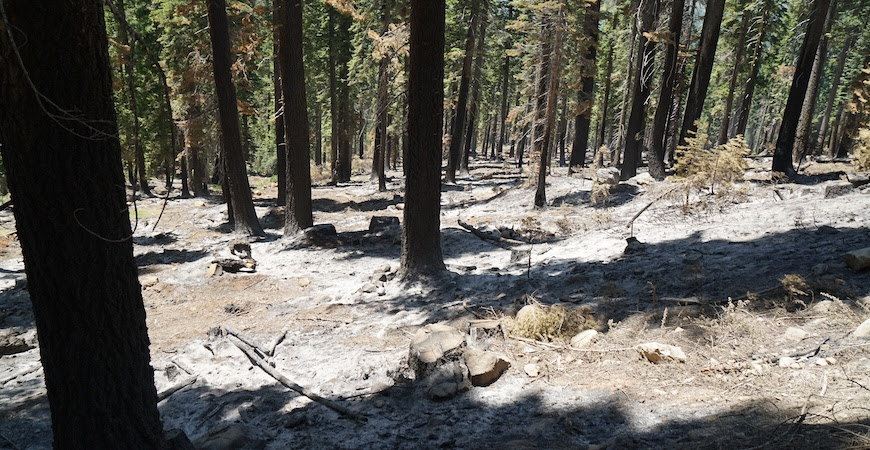
Fire is a natural part of forested landscapes and an undeniable part of Oregon’s history. In 1902, over one-third of the forested acres west of the Cascade crest existed in a completely burned-over state. But because of climate change and forest management practices, wildfire seasons have gotten longer and are increasingly burning more acres. Four of the largest wildfires since 1900 have happened since 2012 and the 2020 wildfire season was the most destructive in Oregon’s history. Data confirms that the vast majority of acres that are burning are on unmanaged federal forests and research has demonstrated that active management of our forests, including mechanized harvest, thinning and controlled burns, reduces the risk of catastrophic wildfires.
How Working Forests Impact wildlife
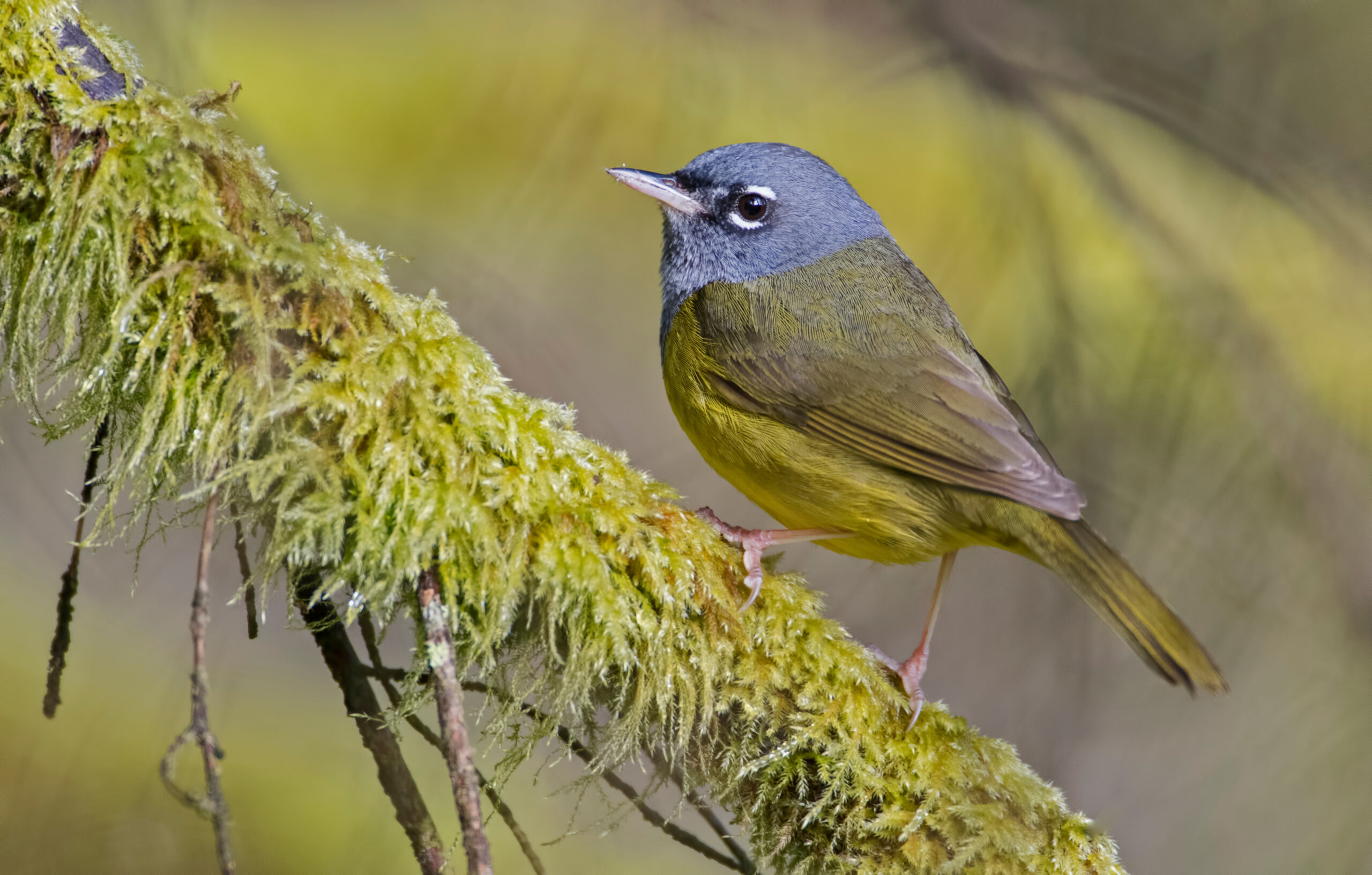
Working forests provide critical wildlife habitat. From early serial forests that provide habitat for species like pollinators and songbirds to older forests that provide habitat for species like woodpeckers and owls, contemporary forest practices include research-based strategies that create a mosaic of forest types across the landscape to support Oregon’s native wildlife.

To support our resolute commitment to forest practices that are firmly grounded in science, our industry has made decades of significant collaborative investments in robust research.
As one example, nearly one quarter of the Forest Products Harvest Tax – just shy of $4 million every year – helps fund research at Oregon State University and funds roughly ten percent of the Oregon Forest Research Laboratory’s research budget.
The contribution to OSU research through the harvest tax funds faculty salaries for OSU’s research, teaching, and outreach missions, along with designated projects like the marbled murrelet, the Fish and Wildlife Habitat in Managed Forest Research Program, and the initial round of funding for the Center for the Future of Forests and Society projects. Through the Fish and Wildlife Program alone, which is in its 26th year, roughly 80-100 studies have been at least partially funded by the timber industry, with absolutely no direction on the outcome of that research.