
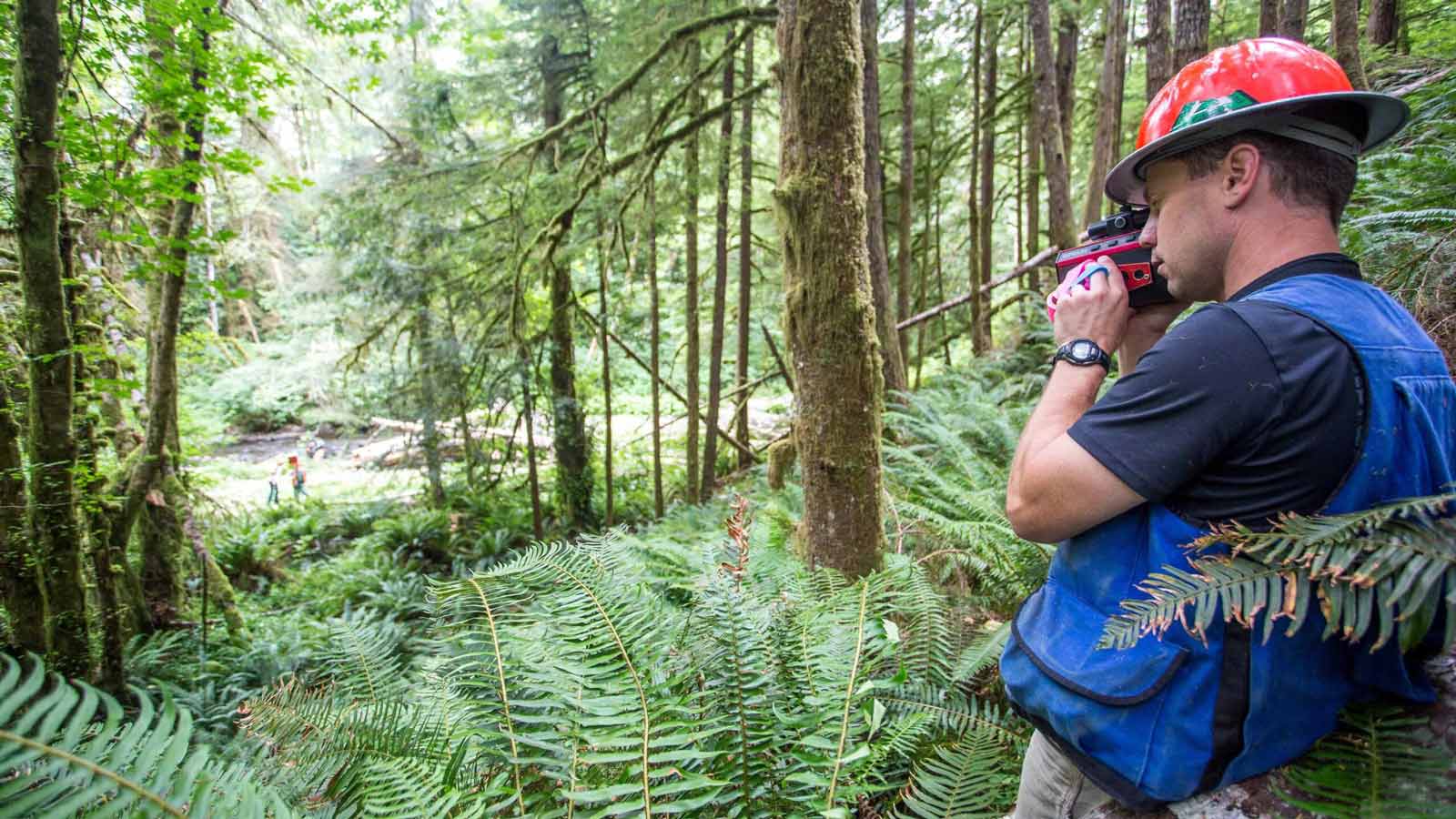
Forests near streams are important because trees help keep water cool by creating shade. In a recent study published in Forest Ecology and Management, researchers tested a new way to protect streams in working forests in Washington. Instead of using the same-sized buffer of trees everywhere, they created a “shadeshed” system that changes buffer width depending on the land, tree height and stream direction. The goal was to protect stream temperatures while also allowing forest managers to harvest trees.
The research team studied 19 small headwater streams. They used lidar, a laser-based mapping technology, to measure how much shade trees provided over streams. They compared the new variable-width shade buffer system with the standard fixed-width buffers already required in forest practice rules. The scientists wanted to see which method better protected shade and stream temperatures after timber harvest.
The study found that the new “shadeshed” approach worked as well as, and sometimes better than, the standard method at keeping streams shaded after harvests. It also used fewer trees overall, which could help forest owners balance environmental protection with timber production. Streams with more of the shadeshed area protected tended to stay cooler and maintain better shade coverage.
However, stream temperature changes were not always easy to predict. Some streams stayed cool because of shrubs, groundwater or flowing water conditions, even when shade was reduced. This showed that stream temperatures depend on more than just tree buffers alone. The researchers said future forest management should focus more on how well buffers work rather than requiring the same fixed width everywhere.
Overall, the study suggests that smarter, site-specific stream buffers could better protect stream water temperature. The researchers believe the shadeshed method could help improve riparian management in many different forested landscapes, especially in areas with steep or complex terrain.