
The timber industry and environmental groups reached an agreement that resulted in the most comprehensive changes to Oregon’s forest practice laws in fifty years.
In the February 2022 legislative session, Oregon legislators passed legislation that was signed into law by Governor Kate Brown codifying the most comprehensive set of changes to the Oregon Forest Practices Act since its inception fifty years ago. The set of changes resulted from more than a year of scientific review and negotiations between private forestry representatives, small forestland owners, and environmental groups, known as the Private Forest Accord.
In addition to ensuring clean water and protected habitat, the agreement helps provide legal certainty and regulatory stability for Oregon’s forestry sector and the hundreds of thousands of jobs it supports by pursuing a 50-year Habitat Conservation Plan on private forestland from the federal services. It also creates a new framework for how future water-related changes to Oregon’s forest practices will be made that incorporates a robust and thoroughly vetted scientific process. Oregonians will be assured a stable forest products sector that produces a much-needed supply of renewable wood products, jobs, ample recreation opportunities, and good forest management to reduce wildfire risk.
The Oregon Board of Forestry adopted the new rules in 2022 and the full set of rules went into effect in January 2024. In December 2025 the draft Habitat Conservation Plan on private forestland was submitted to the federal services for approval. It is anticipated that Habitat Conservation Plan will be approved by the end of 2027, at which time Oregon will have more acres enrolled in a Habitat Conservation Plan than any other state.
“This is truly a paradigm shift and a moment in our state’s history of which all Oregonians should be proud. This demonstrates it is possible to put differences aside and work together on viable solutions to tough problems. Today we leave the Timber Wars in the past and embark on a new collaborative era of forestry that ensures a future for sustainable active forest management and wood products manufacturing.”
Statement from Chris Edwards, President of the Oregon Forest Industries Council following passage of the PFA bills.
What Changed?
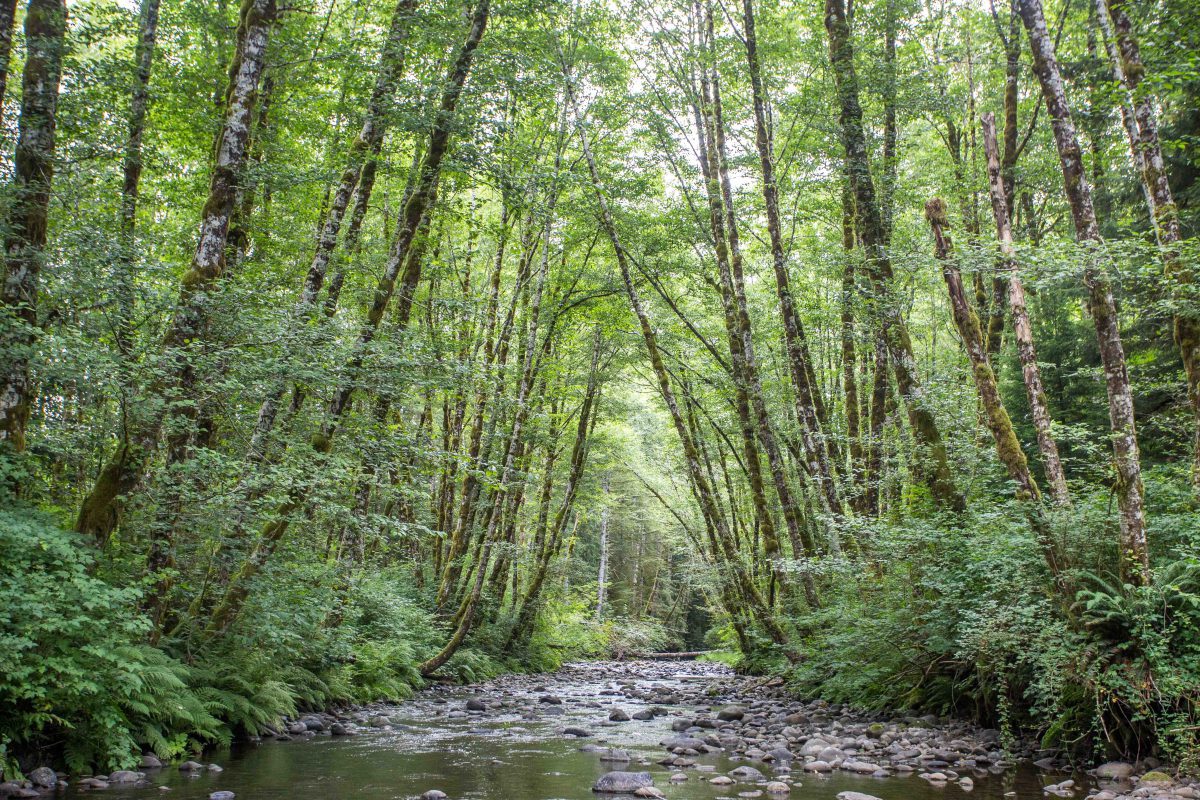
New Stream Buffers
A scientifically valid stream buffering program to not only protect fish where they live, but to reduce sediment and create continuous habitat and conservative temperature buffers in the face of climate change. Stream buffers increased by 10%-100% on tens of thousands of miles of forest streams, including brand new buffers for non-fish perennial streams. Flexibility exists for small forestland owners, but tax credits incentivize voluntary adherence to stricter rules.
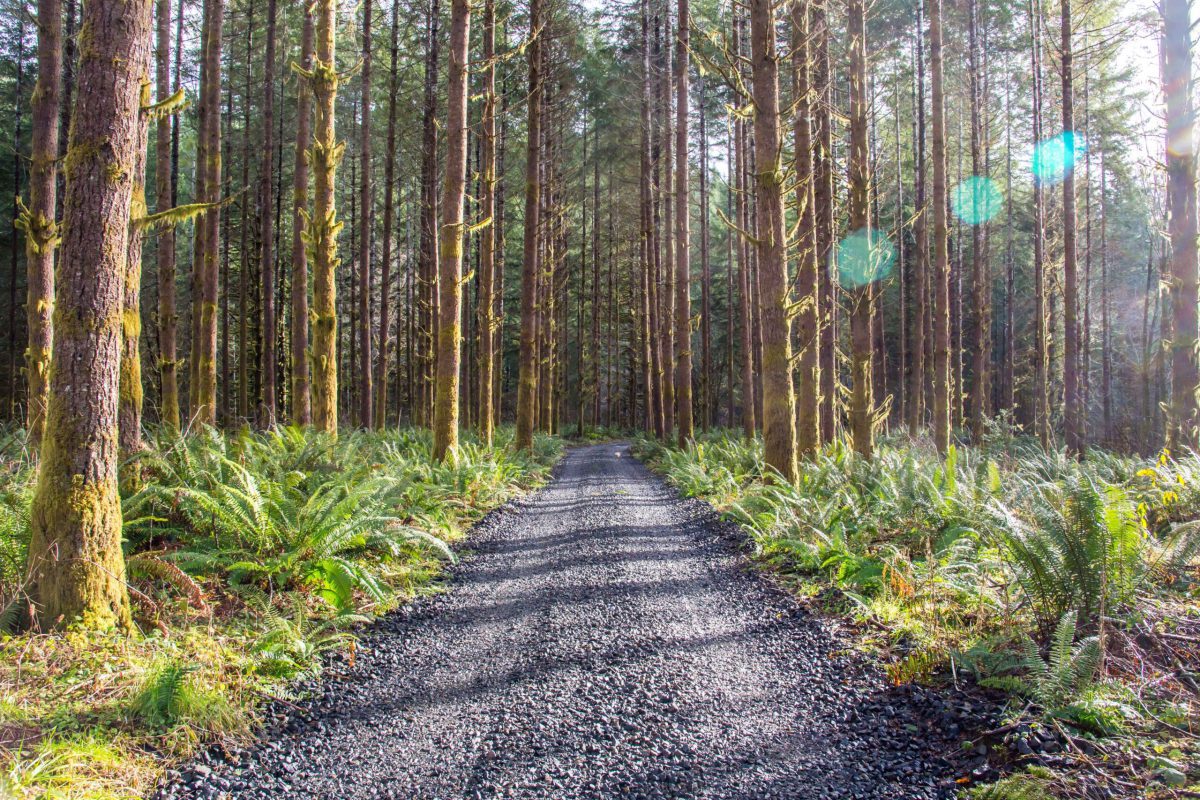
Improvements to Forest Roads
The highest forest road building and maintenance standards with an aggressive, mandatory timeline for completion. This ensures all forest roads allow for fish migration and don’t result in stream sedimentation. Changes include new standards on road design, inventory/assessment, maintenance and management as well as culvert replacement prioritization.
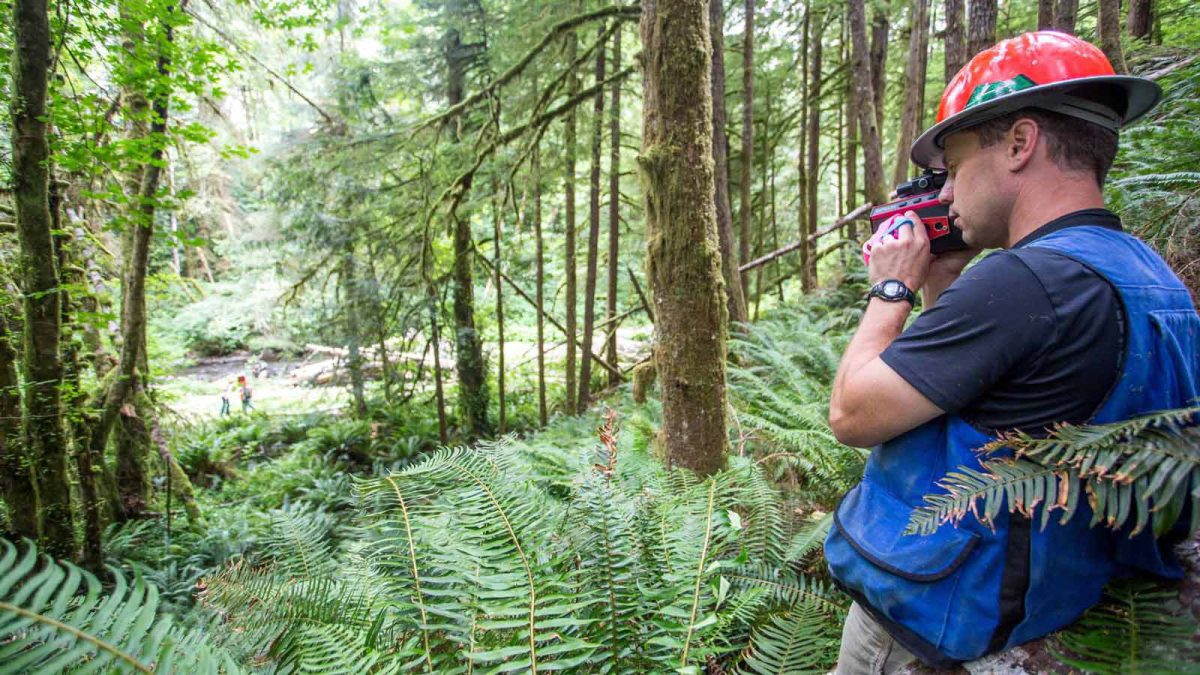
Innovative Modeling for Unstable Slopes
A state-of-the-art unstable slopes management program that allows land managers to identify and improve characteristics of natural landslides to create quality fish habitat.
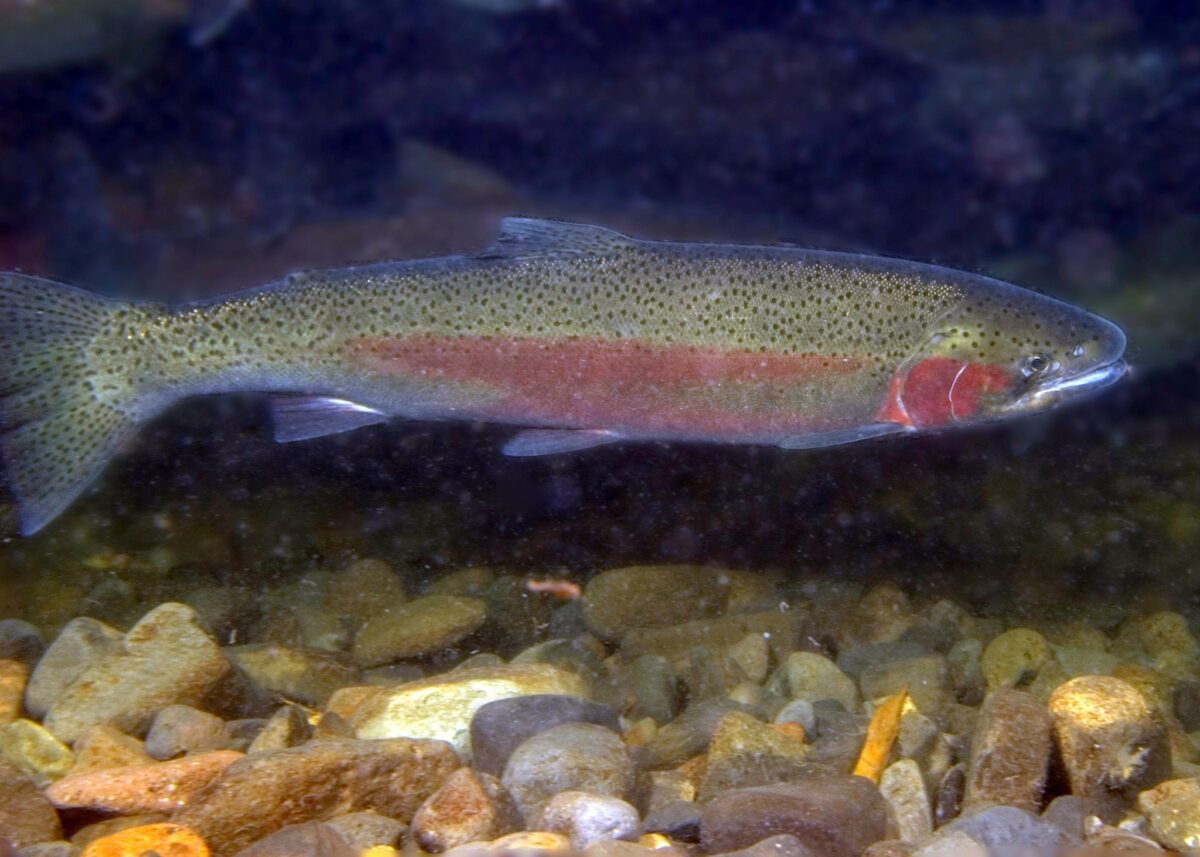
Habitat Protection for Oregon’s Iconic Species
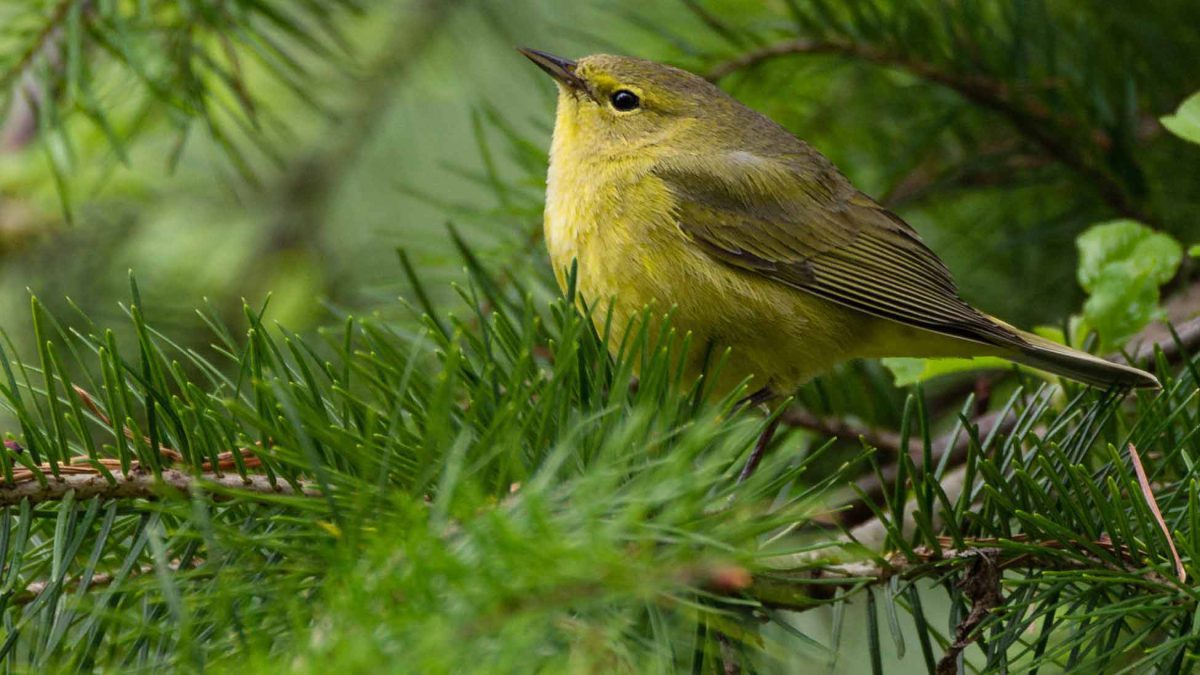
Protections for the following fish and amphibian species: salmon, steelhead, bull trout, coastal giant salamander, Cope’s giant salamander and coastal tailed frog. In addition, the PFA addresses reporting requirements for managing beavers.
A Paradigm Shift in Forest Policy
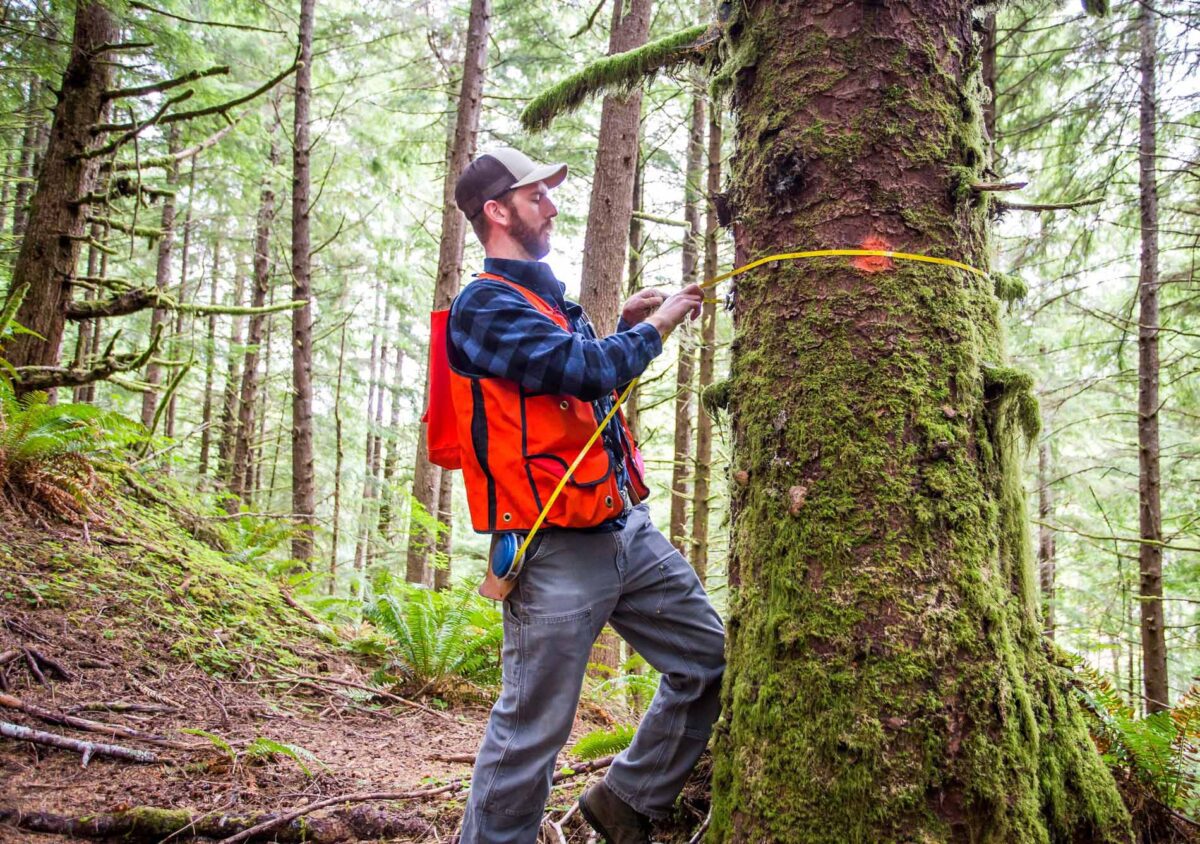
An adaptive management framework changed the way future forest practices are contemplated with science-based recommendations to the Board of Forestry to inform adjustments in regulations to achieve resource goals and objectives identified in the Habitat Conservation Plan and other guidance. Changes also include increased rule compliance and monitoring effectiveness.
Funding for Habitat Mitigation
The agreement includes mitigation payments to fund projects that contribute additional ecological lift beyond the extensive investment in additional buffers. The forest products industry will contribute $5 million per year for mitigation, the state $10 million.
**The deal also included a commitment to attempt to negotiate an agreement on post-fire harvest in riparian management areas (which was passed by the Board of Forestry in September 2025 and went into effect in March 2026) and instructs the Board of Forestry to commence rulemaking on tethered logging within three years (that rulemaking closed March 2026).
Signatories to the Agreement
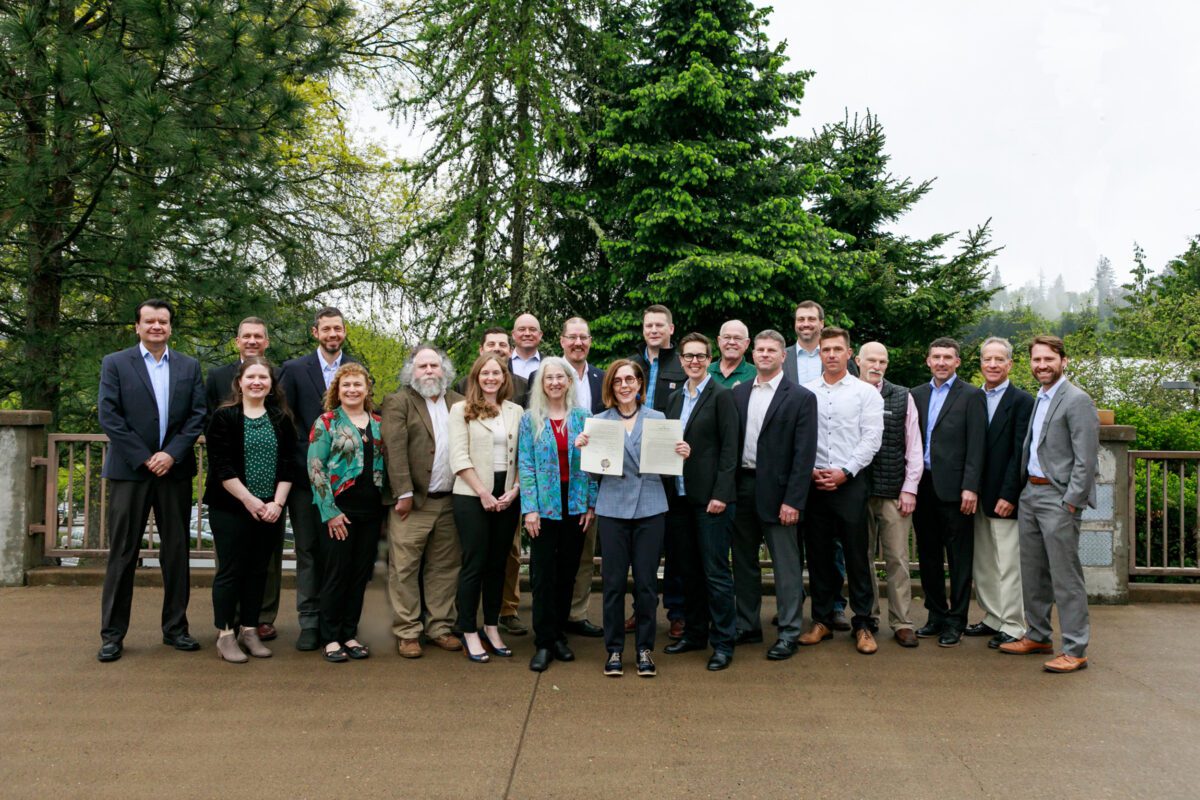
Timber Signatories
- Campbell Global
- Nuveen Natural Capital (formerly Greenwood Resources)
- Hampton Lumber
- Lone Rock Resources
- Manulife Timberland & Agriculture (formerly Hancock)
- Oregon Small Woodlands Association
- Port Blakely
- Rayonier
- Roseburg Forest Products
- Sierra Pacific Industries (formerly Seneca Sawmill Co)
- Starker Forests
- Weyerhaeuser
Environmental Signatories
- Audubon Society
- Beyond Toxics
- Cascadia Wildlands
- Klamath Siskiyou Wildlands Center
- Northwest Guides and Anglers
- Oregon League of Conservation Voters
- Oregon Stream Protection Coalition
- Oregon Wild
- Pacific Coast Fed of Fishermen’s Associations
- Rogue Riverkeepers
- Trout Unlimited
- Umpqua Watersheds
- Wild Salmon Center
Background
Facilitated by Governor Kate Brown and established in 2020 through nearly unanimous passage of Senate Bill 1602, the Private Forest Accord was formed as part of an agreement by all parties to walk away from six competing ballot measures slated for the November 2020 general election that would have erupted in a costly and divisive fight over management of private forests. SB 1602 increased drinking water protections through changes to helicopter herbicide applications on forestland that went into effect in 2021, including implementation of the first ever electronic notification system for real-time communication of applications to neighbors, new reporting requirements, and increased buffers for homes, schools, drinking water intakes and streams. The bill also facilitated a mediated process to explore further changes to Oregon’s Forest Practices Act based on best available science that would form the basis of an application to the federal services for an aquatic species Habitat Conservation Plan. An agreement was reached on October 30, 2021.
Archives
- Backgrounder on the Private Forest Accord
- Details of the prescriptions in the Private Forest Accord deal
- Finding Common Ground (Oregon Forest Resources Institute special report on the PFA)
- Private Forest Accord bills: SB 1501 (policy bill), SB 1502 (Small forestland owner tax credit bill)
- Private Forest Accord report
- Governor’s office handout on Private Forest Accord bills in the 2022 legislative session
- Mention of the Private Forest Accord in the Governor’s 2022 State of the State address
- Oregon Forest Resources Institute event timeline
- Backgrounder on SB 1602
Press releases
- Governor Kate Brown Signs Bipartisan Private Forest Accord Package – May 18, 2022 (recording of the signing event)
- Oregon Legislature Passes Private Forest Accord Package with Bipartisan Support – March 3, 2022
- Governor Kate Brown Announces Historic Timber Agreement – Oct 30, 2021
- Historic Oregon Timber Negotiation Underway – Feb 3, 2021
- Governor Kate Brown Announces Next Steps in Historic Agreement Between Timber and Forest Product, Environmental and Fisheries Groups – Dec 9, 2020
- Governor Kate Brown Announces Continued Agreement on Science-Based Forest Management – March 31, 2020
- Governor Kate Brown Brokers Unprecedented Agreement Between Timber and Environmental Groups – Feb 10, 2020
News Stories
- Forest Accord package signed into law by Gov. Brown, protects 10 million acres of land – KOIN News, May 18, 2022
- How a long-sought agreement led to Oregon changing its logging laws – Jefferson Public Radio, April 21, 2022
- Private Forest Accord passes Senate, clearing way for House vote – Capital Chronicle, March 2, 2022
- Private Forest Accord overwhelmingly approved by Oregon Senate – Capital Press, March 2, 2022
- ‘A new vision for forestry’ created through compromise between timber industry, environmentalists – Roseburg News Review, Nov 26, 2021
- Oregon’s private forests would do better shielding streams, wildlife under historic deal – Oregon Capital Chronicle, Nov 2, 2021
- Deal would overhaul private forest management in Oregon – Associated Press, Oct 30, 2021
- Timber and conservation groups reach deal to update forest management rules for 10 million acres of private land – Oregonian, Oct 30, 2021
- Timber compromise bill triggers negotiations, spray restrictions – Capital Press, July 1, 2020
- Oregon forest deal still alive, timber companies, environmentalists say – Portland Business Journal – April 2, 2020
- Environmentalists And Timber Industry Reach Agreement On Forests, Avoiding Oregon Ballot Fights – OPB, Feb 10, 2020
- Timber companies, environmentalists sign ‘historic’ pact on Oregon forest management – Associated Press, Feb 10, 2020
Opinion/Editorial pieces
- Bipartisan legislation marks new era for Oregon forestry – Oregonian, May 22, 2022
- Oregon’s long-overdue Private Forest Accord could set stage for climate change work – Oregon Capital Chronicle, Feb 10, 2022
- Zika: Accord marks new dawn of new era in Oregon forestry – Yamhill News Register, Nov 26, 2021
- Forest accord seen as good for Oregon woodlands, wildlife – but also for how collaboration can work – Oregon Capital Chronicle, Nov 8, 2021
- Deal over Oregon forestlands a historic step to protect environment, help private woodlot owners – Oregon Capital Chronicle, Nov 5, 2021
- Editorial: Bridging the gap between conservation and industry – Bend Bulletin, Nov 3, 2021
- Opinion: Timber, environmental interests’ collaborative problem-solving deserves Oregonians’ support – Oregonian, Feb 7, 2021
- Allow historic collaboration to unfold for forests – Register Guard, Dec 19, 2020
Legislative Hearings
- House floor session, March 3, 2022 – passed SB 1501: 43-15
- House floor session, March 3, 2022 – passed SB 1502: 55-2
- Senate floor session, March 2, 2022 – passed SB 1501: 22-5
- House Revenue, March 2, 2022 – Work session on SB 1502
- House Revenue, March 1, 2022 – Public hearing on SB 1502
- Senate floor session, February 28, 2022 – passed SB 1502: 25-0
- Joint Ways and Means Committee, February 26, 2022 – Work session on SB 1501
- Joint Ways and Means Subcommittee on Capital Construction, February 25, 2022 – Work session on SB 1501
- House Environment and Natural Resources, Feb 16, 2022 – Informational hearing on the Private Forest Accord
- Senate Finance and Revenue Feb 16, 2022 – Public hearing on SB 1502
- Senate Natural Resources and Wildfire Recovery, Feb 8, 2022 – Work session on SB 1501 and SB 1502
- Senate Natural Resources and Wildfire Recovery, Feb 3, 2022 – Public hearing on SB 1501 and SB 1502
- Senate Natural Resources and Wildfire Recovery, Feb 1, 2022 – Informational hearing on SB 1501 and SB 1502
- House Interim Committee On Environment and Natural Resources – Nov 15, 2021 – Informational meeting on the Private Forest Accord
- Senate Interim Committee On Natural Resources and Wildfire Recovery – Nov 15, 2021 – Informational meeting on the Private Forest Accord
Submitted testimony in support of the Private Forest Accord legislation
- Pacific Coast Federation of Fishermen’s Associations
- Trout Unlimited
- The Northwest Guides and Anglers Association
- Klamath-Siskiyou Wildlands Center
- Rayonier
- Port Blakely
- Sierra Pacific Industries/Seneca
- Manulife Investment Management
Webinars
- Oregon Coast Community College – Jan 29, 2022 with Sean Stevens, Oregon Wild, Kelly Burnett and the Audubon Society of Lincoln City
- Lower Nehalem Community Trust – Feb 7, 2022 with Bob Van Dyk, Wild Salmon Center